· Simone Saleri · Mobile Development · 4 min read
Does building native apps still mean doing twice the work in 2026?
With recent advancements in AI significantly simplifying app development, is cross-platform development still worth considering in 2026?
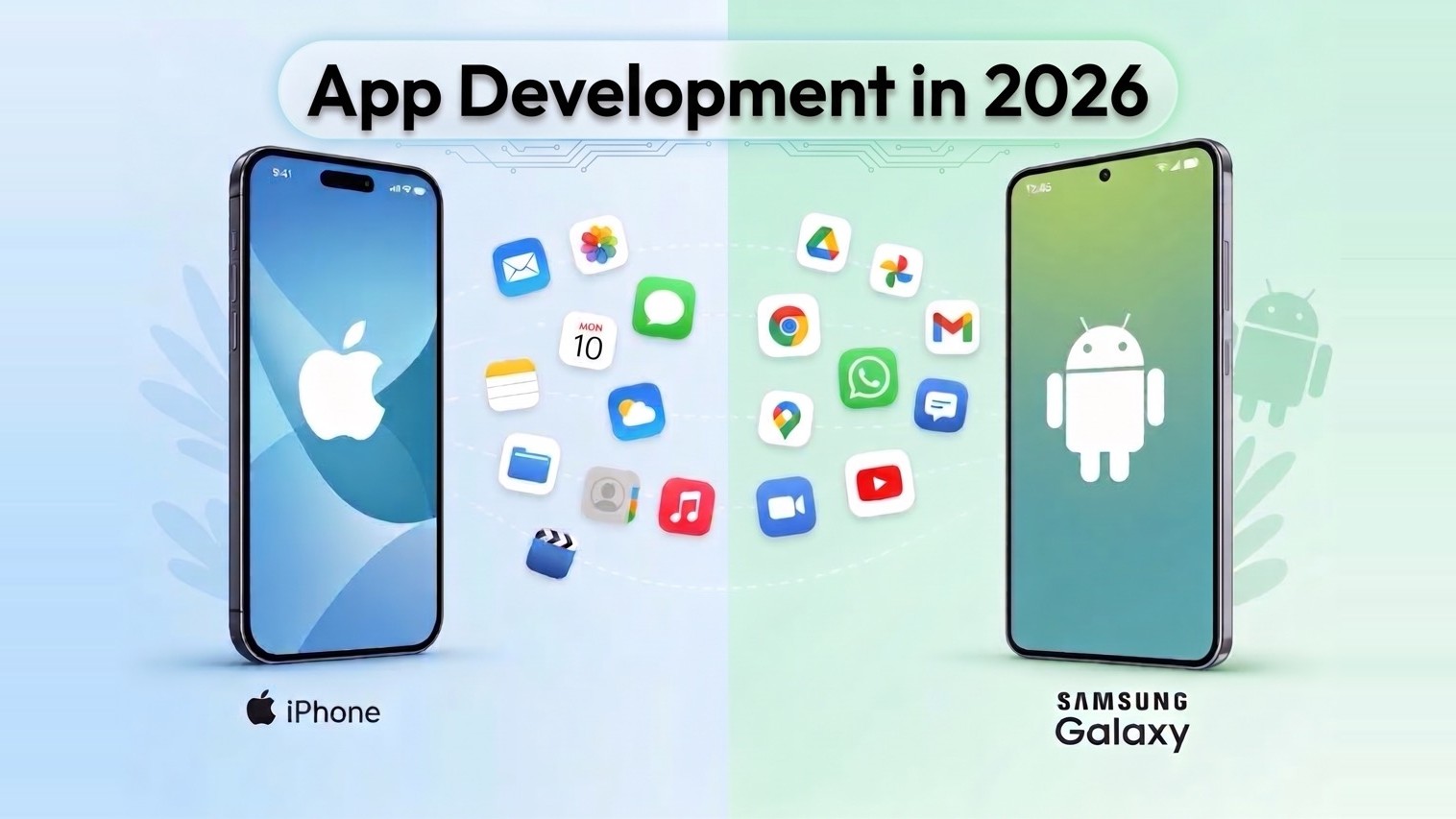
Having been a cross-platform developer for nearly a decade, I never expected to write a post like this. Am I really considering a transition to native Swift and Kotlin? After all, I am still waiting for the official React Native v1.0.0 release!
The Traditional Benefits of Cross-Platform Frameworks
Historically, frameworks like Flutter and React Native offered clear advantages over native mobile development. A single, shared codebase enabled:
- Faster overall development and bug fixing
- Synchronized concurrent releases across all platforms
- Simplified maintenance and long-term sustainability
- Lower overall development costs
React Native in particular bridged the gap, allowing web developers to build native mobile apps and mobile developers to create reactive websites. This is a great advantage, especially for startups.
The Impact of AI on Native Development
Today, AI agents make porting applications between platforms straightforward. You can easily prompt an AI agent: “Here is my Swift codebase, build the equivalent in Kotlin. Ensure all tests pass with zero errors. Make no mistakes!”
Why Cross-Platform Still Matters
However, automated code translation is only a partial solution and does not eliminate many advantages of cross-platform frameworks:
- Shared Business Logic: React Native enables code sharing not only between iOS and Android, but also with the web and other platforms (macOS, Windows, tvOS, Amazon Vega OS and visionOS).
- Unified Engineering Teams: There is no need to maintain separate Android and iOS teams, as everyone contributes to the same codebase.
- Synchronized Releases: Bug fixes and feature updates are deployed simultaneously across platforms, keeping versioning consistent without any additional effort.
- Ecosystem and Community Support: Mature frameworks offer large ecosystems of libraries and community-tested solutions that save development time.
- Consistent User Experience & UI Consistency: Makes it easier to maintain a unified brand design identity and consistent user experience across multiple devices.
- Faster Time-to-Market: A single codebase allows for rapid prototyping and faster deployment of MVPs by avoiding duplicated testing and release pipelines.
- Easier Talent Acquisition & Skill Reuse: Hiring and training developers for a single cross-platform stack may be more efficient than maintaining separate teams for iOS and Android.
- Unified State Management and Architecture: Maintaining a single source of truth for business logic reduces architectural divergence and makes refactoring safer and more predictable.
When to Prefer Native Development
Native development remains the superior choice for high-performance applications requiring deep system integration, low-level hardware access, or specialized platform APIs. Additionally, native development enables immediate access to the newest OS features without waiting for framework updates (although cross-platform frameworks can address this through native modules with extra effort).
Native development is also ideal for validating product-market fit on a single platform, such as launching first on iOS to capture higher initial user spending before committing resources to other platforms.
Finally, if a product targets only one platform, adopting a cross-platform framework adds unnecessary complexity, unless team familiarity or future multi-platform plans justify the decision.
Shopify move back to native
A recent real-world example of this transition is Shopify’s move back to native iOS and Android development. Despite years of advocating and heavily supporting React Native, Shopify returned to native development because AI agents have diminished the necessity of sharing code implementations, while preserving the distinct advantages of platform-specific development. These are the key points:
- Engineers can leverage AI agents to build iOS features directly using Android implementations as reference points, and vice versa.
- AI agents empower developers to work comfortably and productively across unfamiliar technology stacks.
- Maintaining cross-platform parity is achieved by shared specifications, automated testing, and code reviews driven by agents
Swift and Kotlin Are Cross-Platform Too!
Building applications with Xcode and Swift allows developers to target the entire Apple ecosystem seamlessly. Similarly, Kotlin covers diverse targets across Android environments. In this sense, native tools already function as cross-platform engines within their respective ecosystems.
It is worth noting that Swift and Kotlin are expanding beyond their original boundaries. Swift can target additional platforms including Windows and Linux, with growing support for Android. Similarly, Kotlin Multiplatform allows Kotlin to run seamlessly on iOS, enabling developers to share core business logic while retaining fully native UI and performance.
The Bottom Line
AI agents have dramatically eroded the advantages that cross-platform frameworks used to provide, but some advantages still persist. The right choice in 2026 still depends on the specific project requirements.

Simone Saleri — iOS and watchOS developer. 17 apps on the App Store, most of them standalone Apple Watch apps. MSc in Computer Science, University of Milano-Bicocca. Get in touch.


