· Simone Saleri · Mobile Development · 3 min read
Why We Rewrote Bitbrand in Swift
Bitbrand 2.0 is a complete rewrite from the ground up, entirely in Swift and SwiftUI. Here is a look at why we left React Native and made the leap to native.
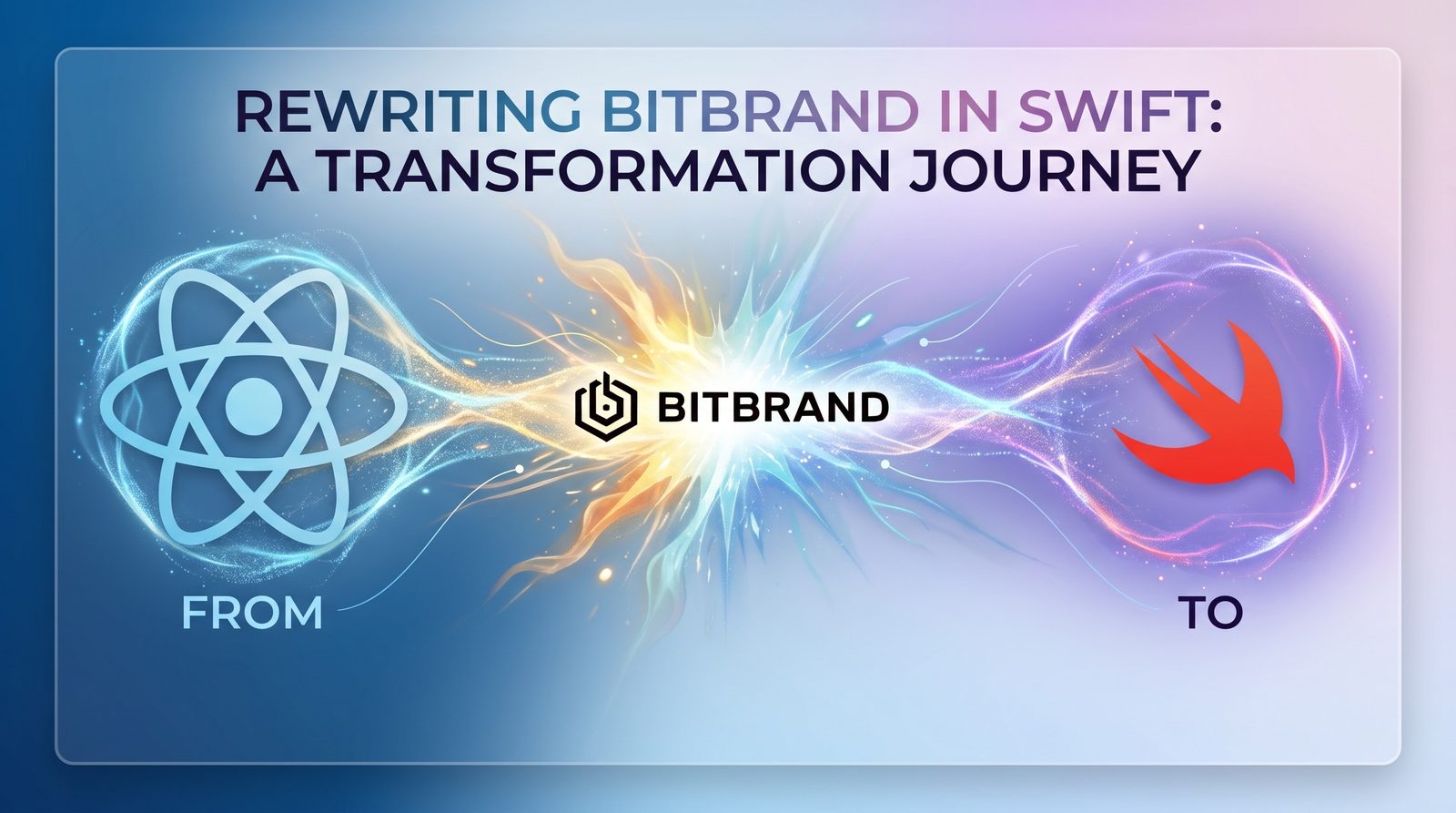
When we first built Bitbrand in 2023, the technology landscape and our product roadmap looked very different. We initially chose React Native alongside Native Modules, a stack that made perfect sense at the time. The cross-platform promise meant we could eventually ship to Android without maintaining two entirely separate codebases.
Fast forward to today, and we are thrilled to introduce Bitbrand 2.0 - a complete rewrite from the ground up, entirely in Swift and SwiftUI. The decision to abandon a mature, functioning codebase wasn’t taken lightly, but a convergence of strategic shifts and technological advancements made it the obvious choice. Here is a look at why we made the leap to native.
The Shift to iOS and the AI Catalyst
As Bitbrand evolved, our data and strategic vision pointed clearly in one direction: we needed to double down exclusively on iOS. The anticipated Android expansion was no longer a priority.
Simultaneously, the software development ecosystem underwent a paradigm shift. Modern AI coding assistants have advanced to a point where the traditional development speed advantage of frameworks like React Native is significantly marginalized. Writing pure Swift is faster and more intuitive than ever, removing the main incentive we originally had for relying on a cross-platform framework just for a single platform.
Embracing the Native Feel and Liquid Glass
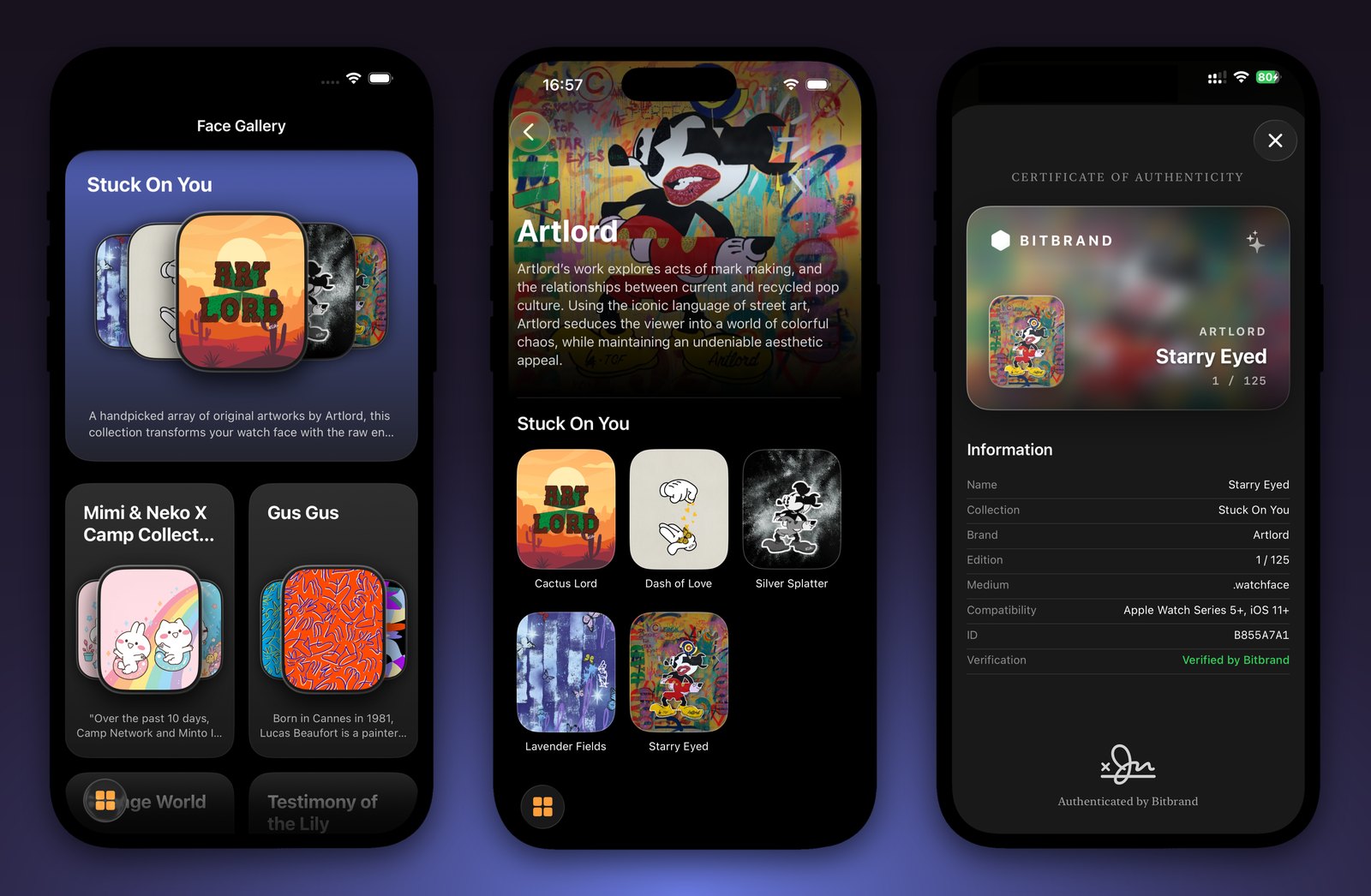
With our business strategy pivoting toward a major 2.0 release, the timing for a native rewrite was perfect. Apple had recently overhauled the official Watch app and introduced the stunning “liquid glass” design system on iOS.
We wanted Bitbrand 2.0 to feel like an extension of the operating system itself. By taking direct inspiration from Apple’s official design language, our goal was to ensure users feel immediately at home the second they open the app. Building this with SwiftUI allowed us to achieve that signature native aesthetic and fluid responsiveness effortlessly. Alongside this visual overhaul, we also introduced powerful new architectural concepts to the platform: Brands and Collections, making the browsing and management experience much more intuitive.
Seamless Watch Connectivity
One of the most significant technical upgrades in this rewrite is how we handle Apple Watch integration. In the React Native era, communicating between the iOS app and the Apple Watch required passing data through cumbersome Native Modules.
By transitioning entirely to Swift, we eliminated that bridge. Communication with the Apple Watch is now direct, native, and significantly more robust. The resulting performance leap brings Bitbrand much closer to the speed and reliability of a first-party Apple application.
Frictionless Purchasing
Finally, we rethought the user journey from the ground up. In version 2.0, we have drastically reduced the number of steps required to make a purchase. Users no longer need to create a dedicated Bitbrand account; they can simply authenticate and buy directly using their Apple account.
This frictionless flow has completely transformed our conversion funnel - but the mechanics of how we minimized these purchasing steps deserve a deep dive of their own. We will be covering the engineering behind our new checkout flow in a future article.

Simone Saleri — iOS and watchOS developer. 17 apps on the App Store, most of them standalone Apple Watch apps. MSc in Computer Science, University of Milano-Bicocca. Get in touch.